
Delving into the current landscape of the retail trade sector in Australia this quarter, we uncover the pressing challenges that businesses are grappling with. From the impact of COVID-19 to the rise of e-commerce, this overview sets the stage for a detailed exploration of the hurdles faced by retailers.
Impact of COVID-19 on the Retail Trade Sector
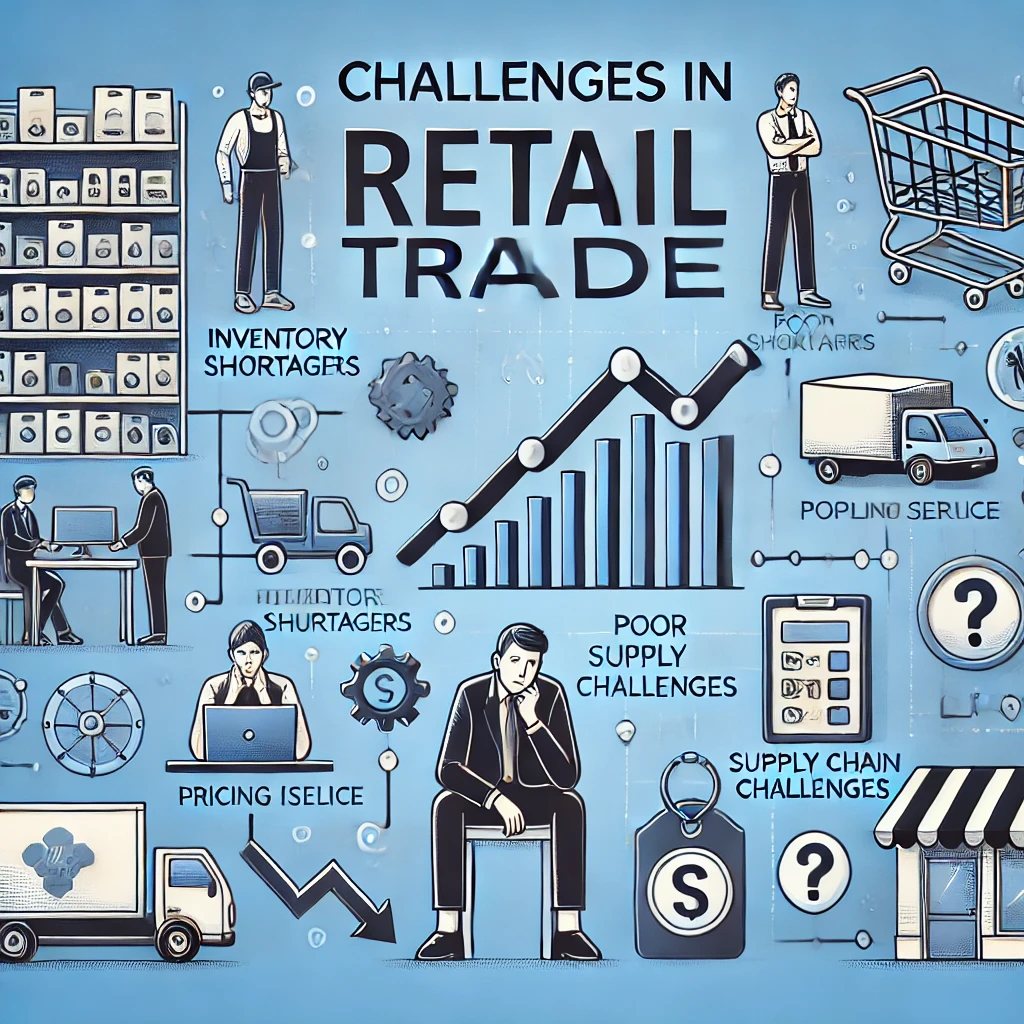 The COVID-19 pandemic has brought significant challenges to the retail trade sector, reshaping consumer behavior and forcing retailers to adapt to new norms.
Changes in Consumer Behavior
The pandemic has led to a shift in consumer behavior, with more people turning to online shopping for convenience and safety. In-store foot traffic has decreased significantly, impacting traditional brick-and-mortar retailers.Challenges Faced by Retailers
Lockdowns and social distancing measures have forced many retailers to close their physical stores temporarily, leading to a decline in sales and revenue. Supply chain disruptions have also posed challenges for retailers in maintaining inventory levels.Innovative Strategies Adopted by Retailers
To navigate the impact of COVID-19, many retailers have implemented innovative strategies such as curbside pickup, contactless delivery, and virtual shopping experiences. Some retailers have also partnered with third-party delivery services to reach customers who prefer to shop from home.E-commerce Growth and Competition
Online shopping in Australia has been experiencing a significant upward trend, with more consumers opting for the convenience and variety offered by e-commerce platforms. This shift has been further accelerated by the impact of COVID-19, which has prompted many people to turn to online shopping for their everyday needs.
Challenges Faced by Brick-and-Mortar Stores vs. Online Retailers
Brick-and-mortar stores face challenges such as high overhead costs, limited geographical reach, and the need for physical space to display products. On the other hand, online retailers have to deal with intense competition, the need for strong digital marketing strategies, and the challenge of providing a seamless online shopping experience.
Insights on How Traditional Retailers Can Compete with E-commerce Giants
- Investing in an omnichannel strategy that integrates both physical and online retail experiences can help brick-and-mortar stores reach a wider audience and provide a seamless shopping experience.
- Offering unique and personalized products/services can differentiate traditional retailers from e-commerce giants and attract loyal customers.
- Enhancing the online presence through social media marketing, search engine optimization, and user-friendly websites can help traditional retailers compete effectively in the digital landscape.
- Providing excellent customer service and focusing on building strong relationships with customers can create a competitive advantage for brick-and-mortar stores against e-commerce giants.
Supply Chain Disruptions and Inventory Management
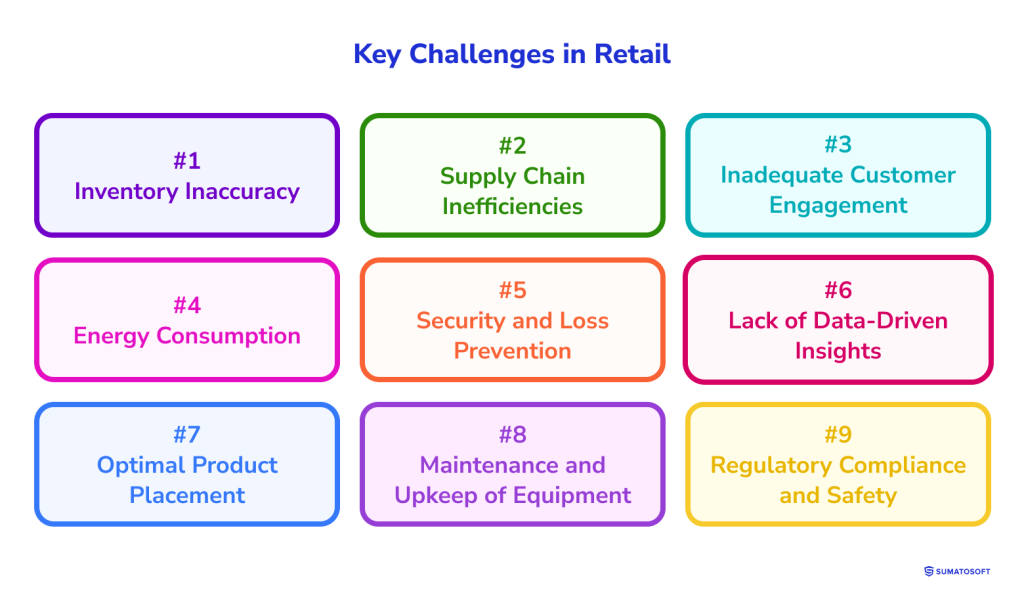 Supply chain disruptions can have a significant impact on the retail sector, leading to delays in product availability, increased costs, and ultimately affecting customer satisfaction
Impact of Global Supply Chain Disruptions
Global supply chain disruptions, such as transportation delays, raw material shortages, and factory closures, have directly affected the retail sector in Australia. Retailers are facing challenges in receiving goods on time, maintaining optimal inventory levels, and meeting customer demand.- Increased lead times for product delivery
- Rising transportation costs
- Difficulty in sourcing raw materials
Strategies for Effective Inventory Management
To mitigate the impact of supply chain disruptions, retailers can adopt various strategies to enhance inventory management practices.- Implementing demand forecasting tools to anticipate customer needs
- Diversifying suppliers to reduce dependency on a single source
- Investing in inventory optimization software for better control
Improving Resilience in Supply Chains
Retailers can improve resilience in their supply chains by focusing on key areas that enhance flexibility and adaptability.- Building strong relationships with suppliers for better communication and collaboration
- Creating contingency plans to address unforeseen disruptions
- Regularly reviewing and adjusting inventory levels based on market trends
Changing Consumer Preferences and Demands
Consumer behavior has undergone significant changes in the wake of the COVID-19 pandemic, leading to a shift in preferences and demands across various retail sectors. Retailers need to stay attuned to these evolving trends to effectively cater to the needs of their customers.Personalized Shopping Experience
In today's digital age, consumers value personalized shopping experiences that cater to their individual preferences and needs. Retailers can leverage technology such as AI and data analytics to gather insights into consumer behavior and tailor their offerings accordingly. For example, online retailers like Amazon use recommendation algorithms to suggest products based on previous purchases, enhancing the overall shopping experience.Sustainability and Ethical Practices
Consumers are increasingly prioritizing sustainability and ethical practices when making purchasing decisions. Retailers can respond to this trend by sourcing eco-friendly products, implementing sustainable packaging solutions, and supporting fair trade practices. Patagonia is a prime example of a retail brand that has successfully aligned with consumer values by emphasizing sustainability and environmental responsibility in its product offerings.Convenience and Seamless Shopping Experience
With the rise of e-commerce and mobile shopping, consumers expect a seamless and convenient shopping experience across both online and offline channels. Retailers can meet this demand by optimizing their websites for mobile devices, offering fast and reliable shipping options, and providing multiple payment methods. Companies like Walmart have implemented curbside pickup services to offer customers a convenient shopping experience that blends the best of online and offline retail.Outcome Summary
In conclusion, the retail trade sector in Australia faces a myriad of challenges this quarter, requiring innovative solutions and strategic adaptations to thrive in a rapidly evolving market. As businesses navigate through these turbulent times, it is crucial to stay agile and responsive to changing consumer demands and industry dynamics.
FAQ Section
How has COVID-19 impacted consumer behavior?
The pandemic has led to significant changes in consumer behavior, with a shift towards online shopping and a focus on essential products.
What are some strategies traditional retailers can use to compete with e-commerce giants?
Traditional retailers can differentiate themselves by offering unique in-store experiences, personalized services, and seamless omnichannel integration.
How can retailers improve resilience in their supply chains?
Retailers can enhance resilience by diversifying suppliers, implementing robust inventory management systems, and investing in technologies that enhance visibility and agility.