
The Psychology of Clienteling: Why Customers Spend More with Personal Connections delves into the intriguing world of clienteling in the retail industry. It uncovers the reasons behind why customers are willing to spend more when personal connections are established, offering a fresh perspective on the dynamics of consumer behavior.
The discussion will explore the psychological factors driving client spending and the benefits for both customers and retailers in forging these relationships.
Introduction to Clienteling
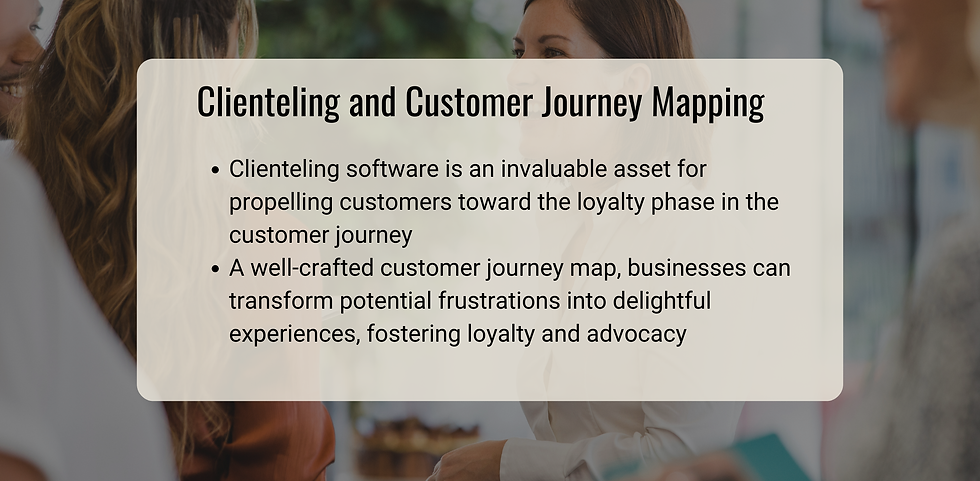 Clienteling in the retail industry refers to the personalized approach of building long-term relationships with customers. It involves understanding individual customer preferences, purchase history, and providing tailored recommendations to enhance the shopping experience.Building personal connections with customers in the retail industry is crucial for fostering loyalty and increasing customer lifetime value. By establishing a strong rapport with clients, retailers can create a sense of trust and loyalty that encourages repeat purchases and word-of-mouth referrals.Clienteling differs from traditional sales approaches by focusing on creating personalized experiences rather than solely focusing on transactions. It involves proactive outreach to customers, anticipating their needs, and providing customized recommendations to enhance the overall shopping experience.
Psychological Factors Influencing Client Spending
When it comes to clienteling, understanding the psychological factors that influence client spending is crucial. By tapping into these principles, businesses can build stronger relationships with customers and increase sales.Trust and loyalty are key components in clienteling relationships. When customers feel a sense of trust towards a salesperson or brand, they are more likely to make repeat purchases and spend more money. Loyalty is built over time through personalized interactions and exceptional service, leading to a deeper connection that drives higher spending.Emotions and personalization also play a significant role in influencing customer behavior. When customers feel valued and understood on a personal level, they are more likely to form an emotional bond with a brand. This emotional connection can lead to increased spending as customers are more inclined to invest in products or services that make them feel good or cater to their specific needs.Benefits of Clienteling for Retailers
Clienteling offers numerous advantages for retailers, ultimately leading to increased customer satisfaction, loyalty, and sales. By establishing personal connections with customers, retailers can create a unique shopping experience that sets them apart from competitors.Improved Customer Retention
- Clienteling helps build strong relationships with customers, leading to increased customer loyalty.
- By understanding individual preferences and purchase history, retailers can personalize recommendations and offers, enhancing the overall shopping experience.
- Happy and satisfied customers are more likely to return and make repeat purchases, ultimately boosting customer retention rates.
Increased Sales and Revenue
- Personalized recommendations and targeted promotions based on customer data collected through clienteling can lead to higher conversion rates.
- Customers are more likely to spend more when they feel valued and understood by the retailer, resulting in increased sales and revenue.
- Clienteling can help retailers identify high-value customers and focus on nurturing those relationships to drive additional sales.
Enhanced Brand Image and Reputation
- By providing a personalized shopping experience through clienteling, retailers can differentiate themselves in a crowded market and establish a positive brand image.
- Customers appreciate the individual attention and care they receive through clienteling, leading to a strong brand reputation and word-of-mouth referrals.
- Positive feedback and testimonials from satisfied clients can further enhance the retailer's reputation and attract new customers.
Strategies for Effective Clienteling
Implementing clienteling techniques effectively is crucial for retailers to build strong relationships with customers and increase sales. Here are some tips on how to do it:Importance of Data Tracking and Analysis
Utilize customer data to personalize interactions and offer tailored recommendations. Tracking purchase history, preferences, and behavior can help retailers anticipate needs, improve customer satisfaction, and drive repeat business.Training Retail Staff for Clienteling Success
Invest in training programs to equip your staff with the skills needed for successful clienteling. Teach them how to actively listen, build rapport, and anticipate customer needs. Encourage a customer-centric approach to create memorable shopping experiences that keep customers coming back.Outcome Summary
In conclusion, The Psychology of Clienteling: Why Customers Spend More with Personal Connections sheds light on the power of personalized interactions in driving customer loyalty and satisfaction. It emphasizes the importance of implementing effective clienteling strategies to enhance the retail experience for both parties involved.
Quick FAQs
What are the key benefits of clienteling for retailers?
Clienteling can lead to increased customer retention, higher satisfaction levels, and ultimately, enhanced sales revenue for retailers.
How can retailers effectively implement clienteling techniques?
Retailers can start by training their staff to build strong personal connections, utilize data tracking for personalized interactions, and create engaging clienteling programs.