
As we delve into the realm of clienteling strategy automation while preserving the personal touch, get ready for an enlightening journey filled with innovative solutions and practical insights.
Understanding Clienteling Strategies
Clienteling in retail refers to the personalized approach that sales associates take to build long-term relationships with customers. By understanding individual preferences, purchase history, and other relevant information, retailers can provide a tailored shopping experience that goes beyond a simple transaction.Traditional clienteling methods include keeping detailed customer profiles, recording purchase history, and sending personalized communication such as handwritten notes or follow-up emails. These methods aim to create a sense of loyalty and connection between the customer and the brand.Personalization is a key aspect of clienteling strategies as it allows retailers to offer customized recommendations, promotions, and experiences based on each customer's unique preferences and behaviors. This level of personalization not only enhances the customer's shopping experience but also increases the likelihood of repeat purchases and brand loyalty.Clienteling enhances the customer experience by making each interaction feel more meaningful and relevant. By anticipating the customer's needs and providing personalized recommendations, retailers can create a memorable shopping experience that sets them apart from competitors and fosters long-term relationships with customers.Automating Clienteling Processes
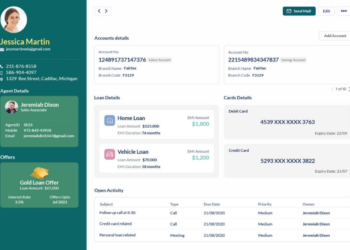
Automating clienteling processes involves utilizing various tools and technologies to enhance and streamline customer relationship management.
Automation Tools for Clienteling
There are several automation tools available for clienteling, such as CRM software, personalized email marketing platforms, AI-powered chatbots, and data analytics tools.
Manual vs Automated Clienteling Processes
- Manual clienteling requires significant time and effort for data entry, tracking customer interactions, and personalized communication, whereas automated clienteling processes can efficiently handle these tasks.
- Automated clienteling ensures consistency in communication and follow-ups, reducing the chances of human error compared to manual methods.
- With automation, businesses can easily segment customers based on their preferences and behaviors, enabling targeted marketing campaigns and personalized recommendations.
Key Benefits of Automating Clienteling Strategies
- Increased efficiency and productivity by automating repetitive tasks, allowing staff to focus on building relationships and providing personalized services.
- Enhanced customer experience through timely and personalized communication, leading to higher customer satisfaction and loyalty.
- Improved data management and analysis capabilities, enabling businesses to gain valuable insights into customer behavior and preferences for better decision-making.
Streamlining Client Communication through Automation
Automation can streamline client communication by sending personalized messages, reminders, and recommendations at the right time based on customer data and interactions. This ensures that customers receive relevant information and offers, leading to better engagement and increased sales opportunities.
Balancing Automation and Personalization
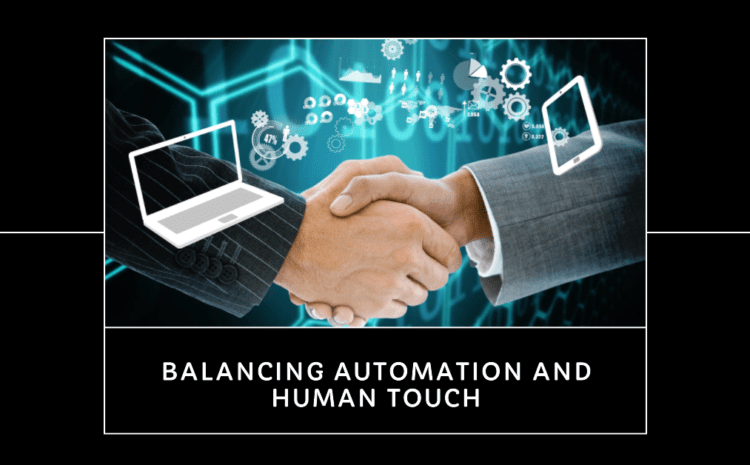 Maintaining a human touch while automating clienteling is crucial to ensure that customers feel valued and engaged. By incorporating personalization into automated interactions, businesses can create a more tailored and meaningful experience for their clients. Let's explore some strategies to achieve this balance:
Ways to Maintain a Human Touch
- Use customer data to personalize interactions and make them feel unique and special.
- Train your team to add personal touches even in automated messages, such as using the customer's name or referencing past interactions.
- Offer options for customers to reach out to a real person if needed, providing a seamless transition from automated to human interaction.
Tips for Personalizing Automated Interactions
- Segment your customer base and tailor automated messages based on preferences, purchase history, or behavior.
- Include personalized product recommendations or promotions in automated emails or messages to enhance the customer experience.
- Use dynamic content to customize messages in real-time, reflecting the most relevant information for each customer.
Examples of Successful Automated Personalization
- A personalized email from a beauty brand recommending products based on previous purchases and skin type.
- An automated message from a clothing retailer highlighting items that complement a recent purchase made by the customer.
- A personalized loyalty program that offers exclusive rewards and discounts based on customer preferences and behaviors.
Design Strategies to Ensure Clients Feel Valued
- Create a feedback loop to gather customer input and adjust automated interactions accordingly.
- Add a human touch to automated responses by using conversational language and empathy in communication.
- Solicit customer feedback on the level of personalization in automated interactions to continuously improve the customer experience.
Leveraging Data for Personalized Automation
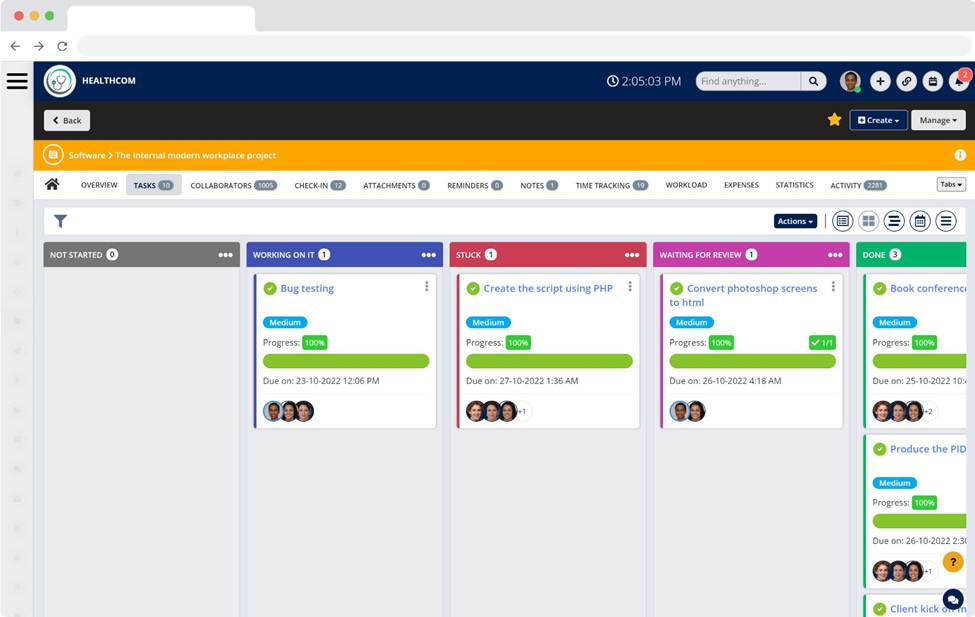 Data analytics plays a crucial role in automating clienteling strategies by providing valuable insights into customer behavior, preferences, and purchasing patterns. By harnessing the power of data, businesses can create personalized automated interactions that enhance the overall customer experience.
Utilizing Customer Data Insights
- Segmentation: Data analytics allows businesses to segment customers based on various criteria such as demographics, purchase history, and browsing behavior. This segmentation enables personalized recommendations and targeted marketing campaigns.
- Personalization: By analyzing customer data, businesses can tailor automated interactions to individual preferences. For example, sending personalized product recommendations or exclusive offers based on past purchases.
- Predictive Analytics: Leveraging predictive analytics, businesses can anticipate customer needs and behaviors. This enables proactive engagement through automated messages or notifications that resonate with customers.
Enhancing Automated Clienteling with Data
- Dynamic Content: Utilizing customer data insights, businesses can create dynamic content for automated emails or messages. This content can be customized based on customer preferences, increasing engagement and conversion rates.
- Behavioral Triggers: Data analytics helps identify behavioral triggers that signal specific customer actions, such as abandoning a cart or browsing a particular product category. Automated responses can be triggered based on these behaviors to re-engage customers effectively.
- Feedback Analysis: By analyzing customer feedback data, businesses can improve automated clienteling processes. Understanding customer sentiment and preferences allows for continuous refinement of automated interactions to better meet customer needs.
Privacy Considerations in Data Utilization
- Transparency: Businesses must be transparent about the data collected and how it is used for personalization. Clear communication regarding data privacy policies builds trust with customers.
- Consent Management: Obtaining explicit consent from customers before utilizing their data for automated clienteling is essential. Providing opt-in options and allowing customers to control their data preferences enhances privacy protection.
- Data Security: Ensuring robust data security measures protect customer information from unauthorized access or breaches. Compliance with data protection regulations is vital to safeguard customer data used for personalization.
Final Review
In conclusion, striking the perfect balance between automation and personalization is key to revolutionizing your clienteling approach without sacrificing the human connection.
FAQ Resource
How can automation enhance clienteling strategies?
Automation can streamline communication, personalize interactions, and improve overall efficiency in clienteling.
Is it possible to maintain a human touch while automating clienteling?
Yes, by incorporating personalized automated interactions and ensuring clients feel valued throughout the process.
What role does data analytics play in automating clienteling strategies?
Data analytics helps in leveraging customer data to personalize automated interactions and enhance the client experience.