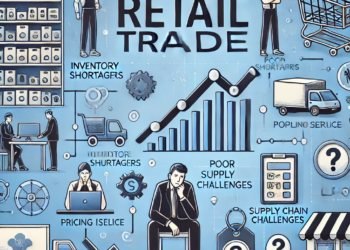

Starting with The Evolution of Retail Trade: Transitioning from Brick-and-Mortar to Omnichannel, the narrative unfolds in a compelling and distinctive manner, drawing readers into a story that promises to be both engaging and uniquely memorable.
The following paragraph will provide descriptive and clear information about the topic.
Overview of Retail Evolution
In the traditional brick-and-mortar retail model, customers would physically visit stores to make purchases, interact with products, and receive personalized customer service.
However, with the rise of technology and changing consumer behaviors, the concept of omnichannel retailing has emerged as a crucial strategy for retailers to meet the evolving demands of customers in the modern retail landscape.
Omnichannel Retailing and Its Significance
Omnichannel retailing involves seamlessly integrating multiple shopping channels, such as physical stores, online platforms, mobile apps, and social media, to provide a cohesive and consistent shopping experience for customers.
- Customers can research products online, visit stores to see them in person, make purchases through mobile apps, and even return items through any channel they prefer.
- By offering a unified shopping experience across different channels, retailers can enhance customer satisfaction, increase brand loyalty, and drive sales.
- Omnichannel retailing allows retailers to capture a wider audience, adapt to changing consumer preferences, and stay competitive in a rapidly evolving retail landscape.
Key Factors Driving the Transition
Changing Consumer Behavior:
The increasing use of digital devices and online shopping platforms has shifted consumer preferences towards convenience, personalization, and flexibility in the shopping experience.Technological Advancements:
Innovations in e-commerce platforms, mobile technologies, data analytics, and artificial intelligence have enabled retailers to create seamless omnichannel experiences for customers.Competitive Pressures:
With the rise of e-commerce giants and online marketplaces, traditional brick-and-mortar retailers are facing intense competition and are compelled to adopt omnichannel strategies to survive and thrive in the market.
Impact of Technology
Technology has played a significant role in shaping the evolution of retail trade, revolutionizing the way businesses operate and interact with customers. From the rise of e-commerce to the implementation of advanced data analytics, technology has transformed the retail landscape in profound ways.Tech-Driven Innovations in Retail
- Mobile Shopping Apps: Retailers have developed mobile apps that allow customers to browse products, make purchases, and receive personalized recommendations directly on their smartphones. This convenience has enhanced the overall shopping experience and increased customer engagement.
- RFID Technology: Radio-frequency identification (RFID) technology enables retailers to track inventory in real-time, reducing stockouts and improving supply chain efficiency. This technology has streamlined the inventory management process and minimized manual errors.
- Augmented Reality (AR) and Virtual Reality (VR): AR and VR technologies have been utilized by retailers to provide immersive shopping experiences to customers. Virtual try-on features for clothing and accessories, as well as virtual store tours, have enhanced the online shopping experience and increased customer satisfaction.
Role of Technology in Brick-and-Mortar vs. Omnichannel Retail
- Brick-and-Mortar Retail: Technology in brick-and-mortar stores has been focused on enhancing the in-store experience, with innovations such as self-checkout kiosks, interactive displays, and beacon technology for personalized offers. These technologies aim to create a seamless shopping experience for customers within physical stores.
- Omnichannel Retail: In omnichannel retail, technology serves as the bridge between online and offline channels, providing customers with a cohesive shopping experience across all touchpoints. Features like buy online, pick up in-store (BOPIS), and inventory visibility across all channels have been made possible through technology, enabling retailers to meet the demands of modern consumers.
Consumer Behavior Changes
Consumer behavior has undergone a significant shift with the emergence of omnichannel retail. Modern consumers now have higher expectations when it comes to their shopping experience and the level of convenience they receive. Factors such as technology advancements, changing lifestyles, and increased access to information have all contributed to this transformation.Expectations of Modern Consumers
- Modern consumers expect a seamless shopping experience across various channels, whether online, in-store, or through mobile devices.
- Convenience is key for modern consumers, who value options such as click-and-collect, same-day delivery, and easy returns.
- Personalization plays a crucial role in meeting the expectations of modern consumers, who seek tailored recommendations and customized offers.
Factors Influencing Omnichannel Preference
- Convenience and flexibility: Omnichannel shopping allows consumers to shop whenever and wherever they want, making it a preferred choice for those with busy lifestyles.
- Product availability: Consumers appreciate the ability to access a wider range of products through omnichannel retail, compared to traditional brick-and-mortar stores.
- Price transparency: The ability to compare prices easily across different channels has influenced consumers to favor omnichannel shopping for better deals.
Operational Challenges and Solutions
Transitioning from brick-and-mortar to omnichannel retail comes with its own set of operational challenges that retailers need to address in order to successfully adapt to the changing landscape. Let's explore some of these challenges and propose effective solutions to overcome them.
Inventory Management
One of the key challenges in transitioning to omnichannel retail is managing inventory across multiple channels. Retailers need to ensure that they have real-time visibility of stock levels to prevent stockouts or overstock situations.
- Implementing an advanced inventory management system that integrates all sales channels and provides accurate inventory data in real-time.
- Utilizing data analytics to forecast demand and optimize inventory levels based on historical sales data and market trends.
- Offering click-and-collect services to leverage store inventory and fulfill online orders efficiently.
Supply Chain Management
Another operational challenge in omnichannel retail is streamlining the supply chain to support multiple sales channels and ensure timely order fulfillment.
- Collaborating with suppliers to establish efficient and flexible supply chains that can quickly adapt to changes in demand.
- Leveraging technology such as automation and AI to optimize supply chain processes and reduce lead times.
- Implementing a centralized order management system to track orders from multiple channels and coordinate fulfillment operations seamlessly.
Unified Customer Experience
Ensuring a consistent and seamless customer experience across all channels is crucial for success in omnichannel retail, but it can be challenging to achieve.
- Implementing a unified customer data platform to gather and analyze customer data from various touchpoints for personalized marketing and service.
- Training staff to provide consistent service and product knowledge across online and offline channels to maintain brand reputation.
- Integrating customer feedback mechanisms to gather insights and continuously improve the omnichannel shopping experience.
Real-world Examples
Several retailers have successfully navigated the shift to omnichannel operations by addressing these operational challenges effectively.
For example, Target implemented a sophisticated inventory management system that allows customers to check product availability across stores and online, resulting in improved customer satisfaction and increased sales.
Nike leveraged its supply chain capabilities to offer customizable products online and in-store, enhancing the overall customer experience and driving brand loyalty.
Best Buy revamped its customer service training program to ensure employees are knowledgeable and equipped to assist customers both in-store and online, leading to higher customer retention rates and improved sales performance.
Epilogue

Concluding with a summary and final thoughts in an engaging manner.
Detailed FAQs
What are the key factors driving the transition from brick-and-mortar to omnichannel?
The key factors include changing consumer preferences, technological advancements, and the need for a seamless shopping experience across different channels.
How has technology influenced the evolution of retail trade?
Technology has enabled retailers to offer personalized shopping experiences, streamline operations, and reach a wider customer base through online channels.
What are the operational challenges faced by retailers in transitioning to omnichannel?
Some challenges include integrating data from various sources, maintaining consistent branding across channels, and ensuring a smooth customer experience both online and offline.