
Labor Shortages in the Retail Trade Industry: Innovative Tech Solutions sets the stage for this enthralling narrative, offering readers a glimpse into a story that is rich in detail and brimming with originality from the outset.
The current labor shortage situation in the retail trade industry, along with the key factors contributing to it, will be explored in depth.
Overview of Labor Shortages in the Retail Trade Industry
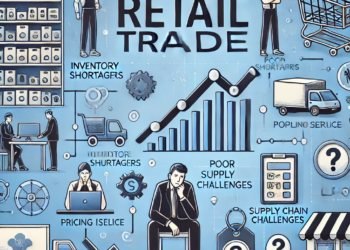
The retail trade industry is currently facing significant labor shortages, creating challenges for businesses in this sector. The demand for retail workers exceeds the available supply, leading to unfilled job openings and increased competition for skilled employees.
Key Factors Contributing to Labor Shortages
- Changing demographics: The aging workforce and declining birth rates have reduced the number of available workers entering the retail industry.
- Low wages: Retail jobs are often associated with low pay and limited benefits, making them less attractive to potential employees.
- High turnover rates: The retail sector experiences high turnover rates due to factors such as job dissatisfaction, limited career advancement opportunities, and seasonal fluctuations.
- Skills gap: There is a mismatch between the skills required by retail employers and the qualifications of job seekers, leading to difficulties in finding suitable candidates.
Impact of Labor Shortages on Retail Businesses
- Decreased productivity: With fewer workers available, retail businesses may struggle to meet customer demand, leading to decreased productivity and potential revenue loss.
- Increased labor costs: To attract and retain employees in a competitive labor market, businesses may need to offer higher wages and benefits, increasing labor costs.
- Reduced customer satisfaction: Short-staffed retail stores may experience longer wait times, reduced service quality, and overall lower customer satisfaction levels.
- Difficulty in growth and expansion: Labor shortages can hinder the growth and expansion plans of retail businesses, limiting their ability to open new locations or expand product offerings.
Innovative Tech Solutions Addressing Labor Shortages
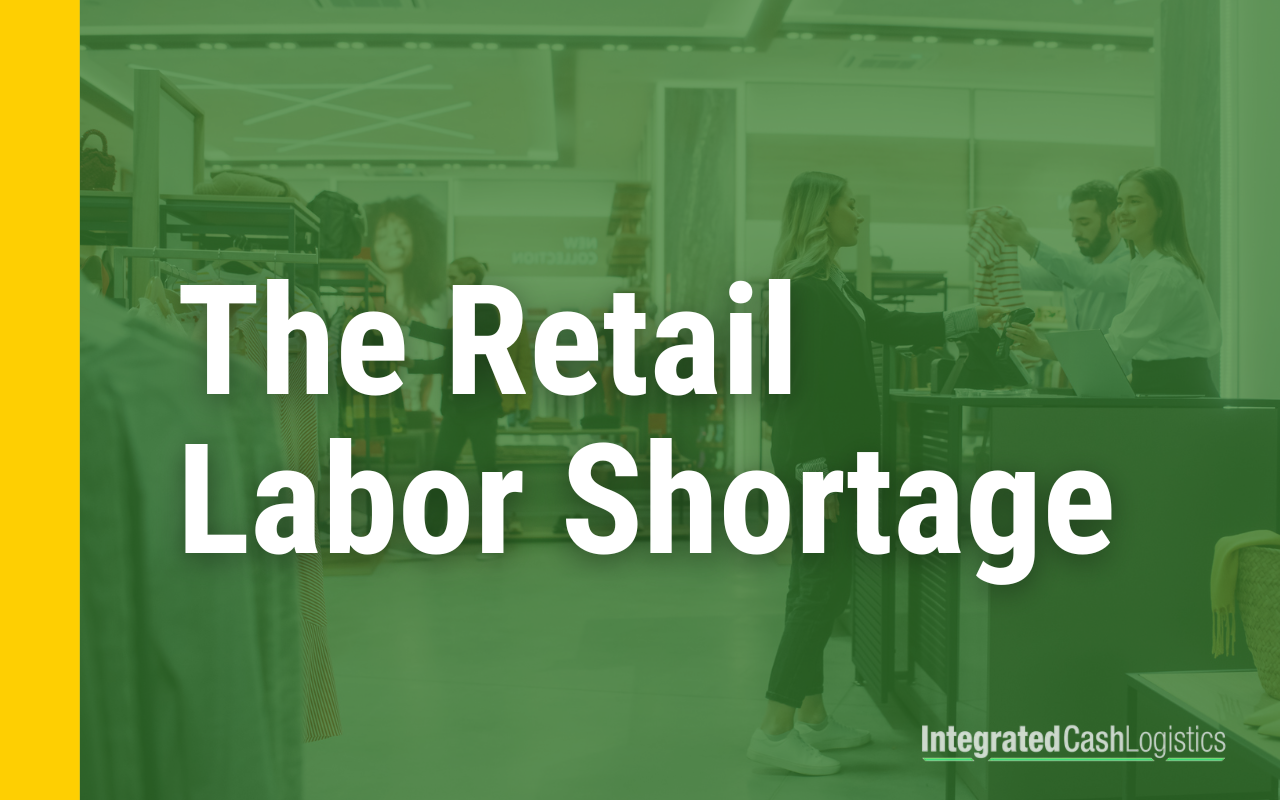 Automation technologies and artificial intelligence have been instrumental in addressing labor shortages in the retail sector. These innovative solutions are revolutionizing the way workforce management is handled, leading to increased efficiency and productivity.
Automation Technologies in Mitigating Labor Shortages
- Automation technologies, such as self-checkout kiosks and cashier-less stores, have reduced the need for manual labor in routine tasks like scanning items and processing payments.
- Automated inventory management systems help retailers optimize stock levels, reducing the need for manual stocktaking and inventory control tasks.
- Robotic fulfillment centers are streamlining the order fulfillment process, enabling faster delivery times and reducing the reliance on human labor in warehouses.
Artificial Intelligence in Workforce Management
- AI-powered scheduling software can analyze sales data and predict customer foot traffic to optimize staffing levels, ensuring that retailers have the right number of employees on duty at all times.
- AI chatbots are being used for customer service inquiries, freeing up human employees to focus on more complex tasks and improving overall customer experience.
- AI-driven predictive analytics help retailers identify trends and patterns in consumer behavior, enabling them to make data-driven decisions that can lead to better sales and operational efficiency.
Role of Robotics in Operations Streamlining
- Robots are being deployed in warehouses and distribution centers to handle tasks like picking, packing, and sorting, increasing operational speed and accuracy while reducing labor costs.
- Autonomous robots are used for floor cleaning and shelf scanning in retail stores, freeing up employees from mundane tasks and allowing them to focus on providing better customer service.
- Robotic shopping carts are being developed to assist customers in navigating stores and locating products, enhancing the shopping experience and reducing the need for additional human assistance.
Adoption of Virtual Customer Service Assistants
Virtual customer service assistants have become increasingly popular in the retail trade industry as a solution to combat labor shortages. These AI-powered assistants are designed to handle customer inquiries and provide support, offering a range of benefits for both businesses and customers.One of the key advantages of using virtual customer service assistants, such as chatbots, is their ability to provide instant responses to customer queries. This ensures that customers receive timely assistance, leading to improved satisfaction and loyaltyTraining and Upskilling Programs for Existing Retail Employees
Training and upskilling programs play a crucial role in addressing labor shortages in the retail industry. By investing in the continuous learning and development of existing retail employees, companies can improve employee retention, enhance workforce productivity, and ultimately alleviate the impact of labor shortages.Innovative Training Methods and Technologies in Retail
- Virtual Reality Training: Retailers are leveraging virtual reality technology to simulate real-life shopping scenarios for employees. This immersive training experience helps employees develop customer service skills and product knowledge in a safe and controlled environment.
- Mobile Learning Apps: Many retailers are adopting mobile learning apps that allow employees to access training materials and resources on-the-go. These interactive apps offer bite-sized learning modules, quizzes, and videos to enhance employee engagement and knowledge retention.
- Gamification: Gamification techniques are being used in training programs to make learning fun and engaging for retail employees. By incorporating game elements such as leaderboards, badges, and rewards, companies can motivate employees to actively participate in training activities.
Benefits of Investing in Employee Training
- Improved Productivity: Well-trained employees are more confident in their roles, leading to increased productivity and efficiency in day-to-day operations.
- Enhanced Customer Experience: Employees with advanced training are better equipped to deliver exceptional customer service, resulting in higher customer satisfaction and loyalty.
- Reduced Turnover Rates: Investing in employee training demonstrates a commitment to employee development, which can help reduce turnover rates and retain top talent within the organization.
Closing Summary
In conclusion, the innovative tech solutions discussed here provide a promising path forward for addressing labor shortages in the retail trade industry. By embracing automation and upskilling programs, businesses can navigate these challenges and enhance productivity in a rapidly evolving landscape.
General Inquiries
What are some common innovative tech solutions being used to address labor shortages in retail?
Automation technologies, artificial intelligence, and robotics are key solutions being implemented to mitigate labor shortages in the retail sector.
How can virtual customer service assistants benefit retail businesses?
Virtual customer service assistants like chatbots and AI-powered solutions can handle customer inquiries efficiently, improving customer service and reducing workload on human employees.
Why is investing in training and upskilling programs important for alleviating labor shortages in retail?
Training programs help enhance the skills of existing retail employees, making them more versatile and adaptable to changing industry needs. This can ultimately reduce dependency on new hires and alleviate labor shortages.