
Exploring the impact of inflation on retail trade margins in bustling cities like New York and Sydney unveils a complex interplay between economic factors and consumer behavior. As prices fluctuate and purchasing power shifts, retailers face a myriad of challenges in maintaining their profit margins. Let's delve into how inflation influences the retail landscape in these dynamic urban centers.
Overview of Inflation and Retail Trade Margins
Inflation refers to the increase in prices of goods and services over time, resulting in the decrease in the purchasing power of a currency. On the other hand, retail trade margins represent the difference between the cost of goods sold by retailers and the price at which they are sold to consumers.The relationship between inflation and retail trade margins is crucial as inflation directly impacts the profitability of retailers. When inflation occurs, the cost of goods sold by retailers increases, leading to a decrease in profit margins unless they adjust their selling prices accordingly. This can result in a challenging business environment for retailers as they need to carefully manage their pricing strategies to maintain their margins.Impact of Inflation on Retail Trade Margins in New York and Sydney
In cities like New York and Sydney, inflation can have a significant impact on retail trade margins due to the high cost of living and operating expenses. For example, with inflation driving up the cost of goods, retailers in these cities may struggle to maintain their profit margins without passing on the increased costs to consumers. This can lead to a decrease in consumer spending as prices rise, affecting the overall retail trade in these metropolitan areas. Retailers may need to implement strategies such as cost-cutting measures or renegotiating supplier contracts to offset the impact of inflation on their margins.Factors Influencing Retail Trade Margins in the Context of Inflation
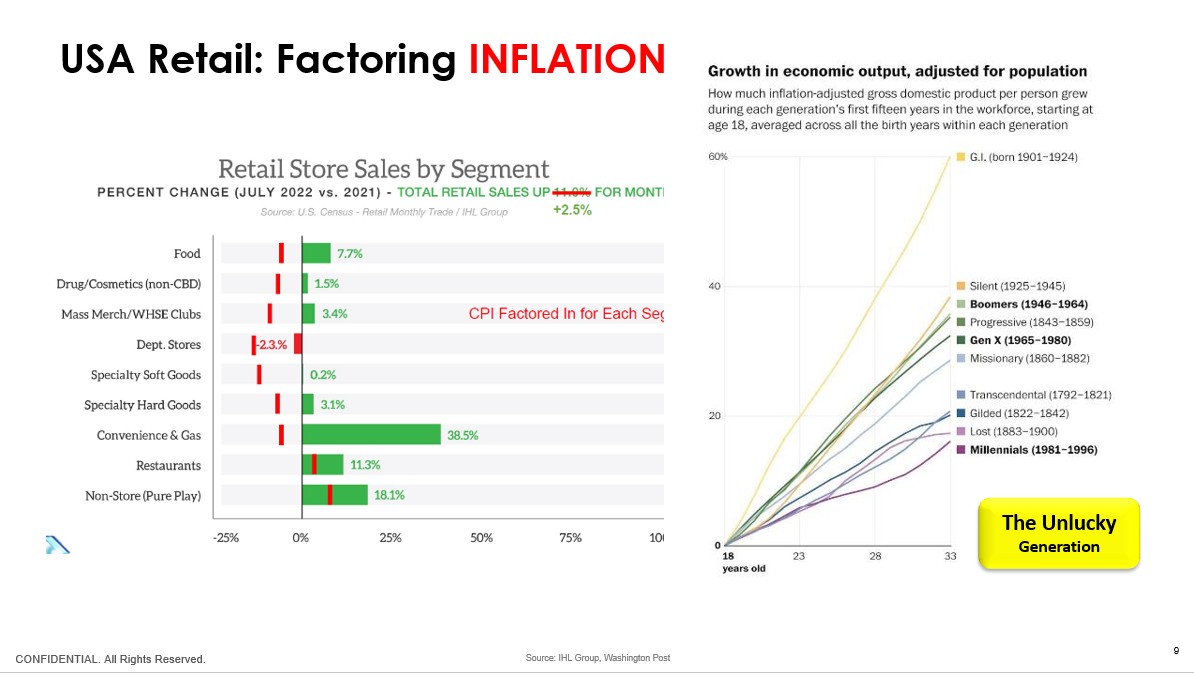 In a high inflation environment, several key factors influence retail trade margins, including consumer behavior changes and supply chain disruptions.
Consumer Behavior Changes
Consumer behavior changes significantly impact retail trade margins during inflation. As prices rise, consumers tend to become more price-sensitive and may opt for cheaper alternatives or reduce discretionary spending. This shift in consumer behavior can lead to decreased sales volumes for retailers, ultimately affecting their profit margins. Retailers may need to adjust their pricing strategies and product offerings to cater to changing consumer preferences and maintain their margins.Supply Chain Disruptions
Supply chain disruptions play a crucial role in influencing retail trade margins in New York and Sydney during inflationary periods. Disruptions in the supply chain, such as delays in production or distribution, can lead to inventory shortages or increased costs for retailers. These disruptions can result in higher procurement costs, which may not be fully passed on to consumers due to competitive pressures. As a result, retailers may experience squeezed margins as they try to absorb these additional costs without significantly raising prices.Strategies for Mitigating the Impact of Inflation on Retail Trade Margins
In a volatile economic environment with high inflation rates, retailers in New York and Sydney need to adopt effective strategies to protect their margins and remain competitive in the market.Short-Term vs. Long-Term Strategies
- Short-Term Strategies:
- Long-Term Strategies:
1. Implement price adjustments to reflect cost increases due to inflation.
2. Negotiate with suppliers for better pricing or terms to alleviate margin pressures.
3. Offer promotions and discounts strategically to attract customers and maintain sales volume.
4. Monitor inventory levels closely to avoid overstocking and reduce carrying costs.
1. Diversify product offerings to cater to changing consumer preferences and mitigate pricing pressures.
2. Invest in technology and automation to improve operational efficiency and reduce costs.
3. Develop strong relationships with loyal customers through loyalty programs and personalized marketing.
4. Expand into new markets or channels to increase revenue streams and reduce dependence on a single market.
Successful Case Studies
- Case Study 1: Retailer A in New York
- Case Study 2: Retailer B in Sydney
Retailer A successfully mitigated the impact of inflation by implementing a dynamic pricing strategy that adjusted prices in real-time based on market conditions. This allowed them to maintain margins while staying competitive.
Retailer B focused on enhancing customer experience and streamlining operations through digital transformation. By investing in e-commerce capabilities and optimizing supply chain processes, they were able to offset inflationary pressures and protect their margins.
Comparison of Retail Trade Margins between New York and Sydney
In comparing the retail trade margins between New York and Sydney, it is essential to consider the typical margins, the influence of inflation rates, and the unique challenges or opportunities faced by retailers in these cities.Typical Retail Trade Margins
Retail trade margins in New York are generally higher compared to Sydney due to a variety of factors such as higher operating costs, rent prices, and demand for luxury goods in the city. On the other hand, Sydney tends to have lower retail trade margins to cater to a more price-sensitive consumer base.Influence of Inflation Rates
Inflation rates can have a significant impact on retail trade margins in both New York and Sydney. In New York, higher inflation rates may lead to increased operating costs, which can put pressure on margins. In Sydney, lower inflation rates may result in less price flexibility for retailers, affecting their margins differently compared to New York.Challenges and Opportunities
Retailers in New York face challenges such as maintaining competitive pricing amidst higher costs of operation due to inflation. However, they also have the opportunity to capitalize on the demand for luxury goods and higher purchasing power in the city. In contrast, retailers in Sydney face challenges in adjusting prices to meet consumer expectations while managing lower margins. Nevertheless, they have the opportunity to attract price-sensitive consumers by offering competitive pricing strategies.End of Discussion
In conclusion, the effects of inflation on retail trade margins in New York and Sydney are profound and multifaceted. By understanding the intricacies of this relationship, retailers can adapt their strategies to navigate the changing economic landscape successfully. As these cities continue to evolve, staying abreast of inflation's impact is crucial for sustaining healthy retail trade margins.
Top FAQs
How does inflation affect consumer behavior in New York and Sydney?
Inflation can lead to changes in consumer spending patterns, as rising prices may prompt individuals to adjust their purchasing habits and prioritize essential items.
What are some short-term strategies retailers can use to combat inflation's impact on trade margins?
Implementing temporary price adjustments, optimizing inventory management, and negotiating better deals with suppliers are effective short-term strategies.
Are there any unique challenges faced by retailers in Sydney compared to New York regarding inflation?
Sydney's geographic isolation can present logistical challenges in terms of supply chain disruptions, which may impact retail trade margins differently than in New York.